Home › Concrete Steps and Stoops
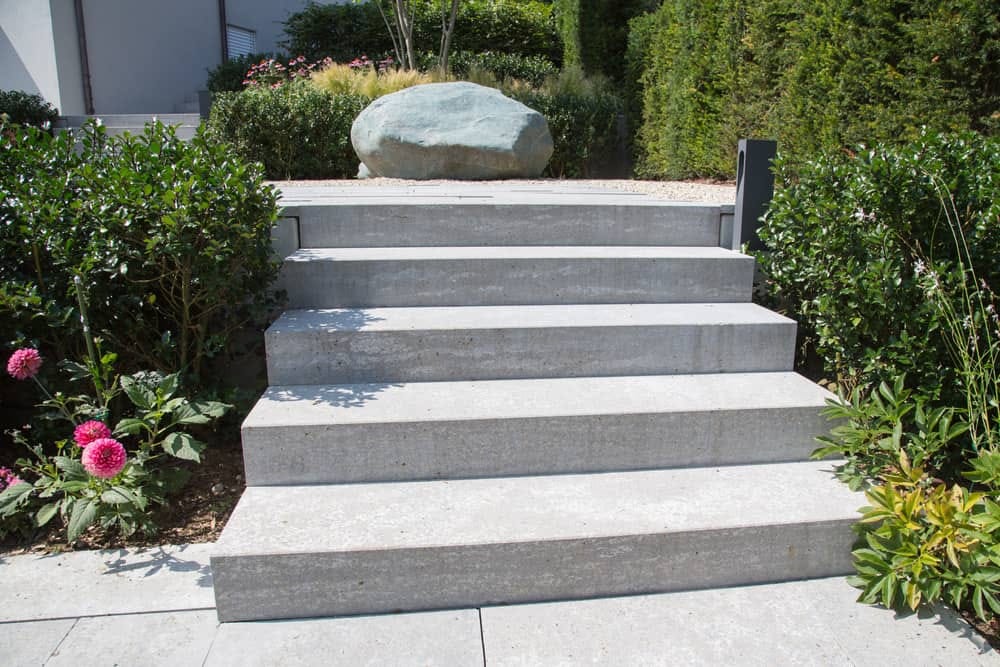
Upgrade your entry with durable concrete steps in Conway, AR that look great and stay safe for years. We build front stoops, porch steps, and backyard stairways sized to your home. Each set of concrete steps is formed, reinforced, and finished for comfortable riser heights, secure footing, and neat transitions to sidewalks and patios.
Conway Concrete Company provides professional concrete steps throughout Conway, AR, Arkansas and the surrounding area. Our licensed, insured crew delivers safe, clean, on-time work with a free estimate before anything begins. Call (501) 358-5548 or request your free quote.
Concrete steps that fit Conway homes and codes
Concrete steps and stoops look simple, but they have to do a lot of work every single day. They need to be safe in the rain, hold up to Arkansas heat and cold snaps, and match the style of your home so they look like they have always been there.
Conway Concrete Company designs and builds concrete steps that are tailored to local homes and small businesses in Conway, AR. We pay close attention to riser height, tread depth, and landing size so your steps feel natural as you walk. We follow Conway and Arkansas building codes for dimensions and handrail requirements, which is especially important for rental properties, duplexes, and commercial entrances along Oak Street, Harkrider, and in the Donaghey area.
Whether your house is a 1970s brick ranch near Prince Street, a newer subdivision home off Hogan or Dave Ward, or an older property closer to downtown, we look at your existing porches, sidewalks, and foundations before we propose any step or stoop work. This helps us match elevations correctly, prevent trip hazards, and tie new concrete into old concrete without awkward transitions.
Step-by-step: how we build concrete steps and stoops
Good concrete steps come from careful prep, not just pouring and walking away. When Conway Concrete Company installs steps or a stoop, we follow a clear process so the concrete does not settle or crack prematurely.
First, we measure the total height from ground to doorway and divide that into even risers that meet code. Uneven risers are one of the main reasons people trip, so we correct those when replacing old steps. We then lay out the footprint of the steps and any stoop or landing, checking door swing, screen doors, and slope away from the house so water does not run back toward your threshold.
Next, we excavate and compact the base. In Conway, a lot of yards have clay soil that holds water. We remove soft material and add a compacted gravel base so the steps do not sink over time. For higher stoops or where there is noticeable settling around an older foundation, we may add more base depth or tie the new concrete into existing footings with rebar dowels.
We build sturdy wooden forms for each riser and side. We cross‑brace these so they stay straight under the weight of wet concrete. Inside the forms, we place steel reinforcement, such as rebar or wire mesh, especially on wider stoops and porch landings. This reinforcement helps the steps resist cracking as temperatures and moisture levels change throughout the year.
Once the forms and steel are in place, we schedule the pour on a day when weather is cooperative. We use a concrete mix that is appropriate for exterior steps, typically with air entrainment and the right strength rating. After placing the concrete, we consolidate it to remove air pockets, then shape each tread and riser carefully so water drains away.
We finish the surface with a broom texture, not a slick finish, to create grip when the steps are wet. If you prefer exposed aggregate or a decorative texture, we time that finishing work carefully so it still provides traction. Finally, we edge the corners, check all dimensions again, and set up curing protection so the concrete does not dry too fast in the Arkansas sun.
Design options: from simple steps to inviting stoops
Function comes first, but style matters too. Your front steps are often the first thing visitors touch. Conway Concrete Company helps you choose a look that works with your home and neighborhood, without creating maintenance headaches.
For many Conway homes, straightforward broom‑finished gray concrete steps are a practical choice. They pair well with brick, siding, or stone veneers and keep costs lower. We can add simple design touches, such as rounded step noses, a border trowel line around the edges, or a slightly wider bottom step that feels more welcoming.
If you want a larger entry area, we can build a full concrete stoop or landing that gives space for planters, seating, or a storm door that swings freely. These stoops can be square, rectangular, or gently angled to meet existing sidewalks. On split‑level or raised homes, a deeper stoop often solves crowding at the door and provides a safer place to stand while unlocking.
For a more finished appearance, we can combine concrete steps with brick or stone veneer on the sides or front face. This is common on older Conway brick homes where owners want new, solid concrete steps but still like a traditional look from the street. We pour the structural concrete first, then work with a mason to add the veneer once the steps have cured.
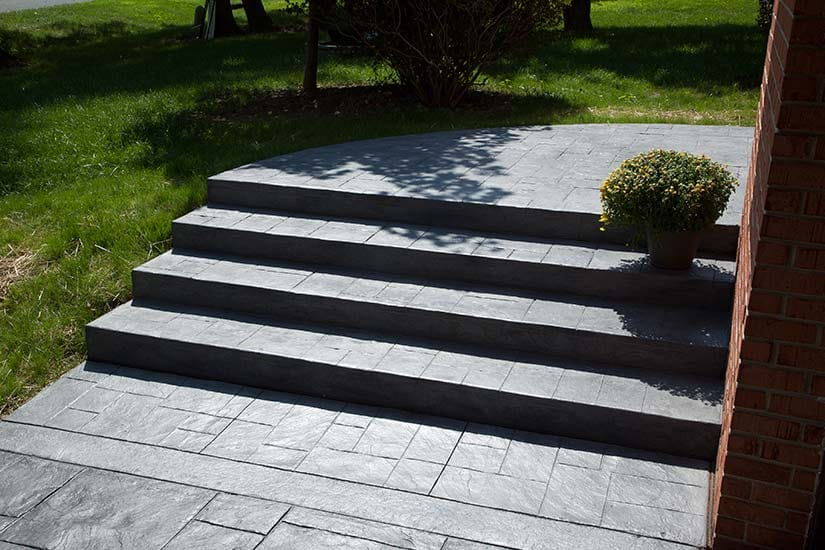
Color and texture are additional options. Integral color can be added to the concrete mix for a warmer tone that matches your home, and stamped concrete borders or a lightly exposed aggregate finish can give the stoop a more custom look. We discuss how each option behaves in real life, such as how dark colors feel hotter in July, or how certain textures handle mud and grit common in Central Arkansas yards.
Common problems with existing steps and how we fix them
Many Conway homeowners call us when their existing concrete steps have settled, cracked, or pulled away from the porch. Understanding what went wrong helps us design a better replacement.
A frequent issue is step settlement where the bottom step has sunk into soft soil. You may notice the top step is level with the door, but the bottom step feels taller than the rest. This is usually due to poor base prep or runoff washing out soil. When we replace those steps, we remove the old concrete, rebuild the base with compacted gravel, and sometimes install a small footing or tie into adjacent slabs so the new steps have a stable support.
Another problem is cracking along the sides or corners. Hairline surface cracks can be normal, but wider cracks or chunks breaking off are often a sign the concrete was too thin or not reinforced. For replacements, we increase thickness where needed, add rebar, and place control joints in smart locations to manage natural shrinkage.
Pulling away from the house or porch is also common, especially on older homes near downtown Conway where porches were added or modified over time. We evaluate whether the old porch is structurally sound. If it is, we can tie the new steps into it with rebar dowels and a bonding agent. If the old porch is failing, we may recommend rebuilding both the porch and steps as one integrated structure so future movement is minimized.
We also address safety issues that are easy to overlook, such as treads that are too shallow, risers that vary in height, or surfaces that are slick when algae grows in shaded areas. In shady spots or on north‑facing entries, we recommend a more aggressive broom finish, possibly with added traction grooves at the step edges, and we can slightly adjust the direction of drainage to reduce standing moisture.
What affects the cost of new concrete steps or stoops in Conway
Homeowners often want to know why one set of steps costs more than another. At Conway Concrete Company we explain the factors clearly before work begins so you can make informed choices.
Size and height are primary drivers. A small two‑step entry with a simple landing takes less material and labor than a tall set of steps leading to a raised front door or deck. As the number of risers increases, so do the formwork complexity, reinforcement needs, and safety requirements.
Site conditions matter too. If we have easy access for a concrete truck and minimal demolition, costs stay lower. If access is tight behind a privacy fence, or we need to wheelbarrow concrete a long distance, labor time increases. Removing and hauling away old cracked steps or brick stoops is another variable that can affect the final price.
Soil and drainage conditions in Conway can also influence the scope. Properties with soft or saturated soil may need a thicker gravel base or additional support to prevent future settling. Where water tends to pool near the entry, we might include small grading corrections or drain solutions as part of the project.
Design choices add or reduce cost. Standard gray broom‑finished concrete is the most budget‑friendly. Decorative finishes, coloring, or masonry veneers increase material and labor costs but can significantly upgrade curb appeal. Handrails, code‑required on many taller step sets or for rental properties, are a separate item, and we coordinate layout so posts are securely anchored into the new concrete.
We provide written estimates that break down these elements so you can see how each choice affects the total. Our goal is to match your budget with a step or stoop design that is safe, long‑lasting, and appropriate for your Conway property.
How to plan your project and work with Conway Concrete Company
Before you schedule new concrete steps, it helps to walk your entry and think about how you actually use it day to day. Do you often carry groceries or kids, or move furniture in and out? Do deliveries come to that door? These details influence ideal step depth, landing size, and handrail placement.
We recommend measuring your existing steps and noting any pain points, such as a door that nearly hits the top step, a too‑narrow landing, or water that splashes against the threshold during storms. When you contact Conway Concrete Company, we use that information during our site visit and confirm measurements, slopes, and code requirements.
During the visit, we discuss your timeline, how we will protect nearby landscaping, and where equipment and materials will be staged. For most residential step and stoop projects in Conway, active construction takes one to three days, followed by curing time when you should not use the steps. We give clear instructions on when you can walk on the new concrete and when it is safe for heavier use.
We also talk through maintenance. Concrete steps are relatively low maintenance, but in our climate we suggest gentle cleaning to remove algae or dirt, avoiding harsh de‑icers that can damage the surface, and resealing decorative finishes on a schedule that fits their use and exposure.
If you are ready to replace unsafe, uneven, or dated steps, or you want to add a new stoop that makes your Conway home more welcoming, Conway Concrete Company can guide you from the first measurement to the final broom stroke on the surface. We focus on building steps that feel solid and comfortable underfoot today and stay that way for years in Arkansas weather.