Home › Concrete Driveway Installation
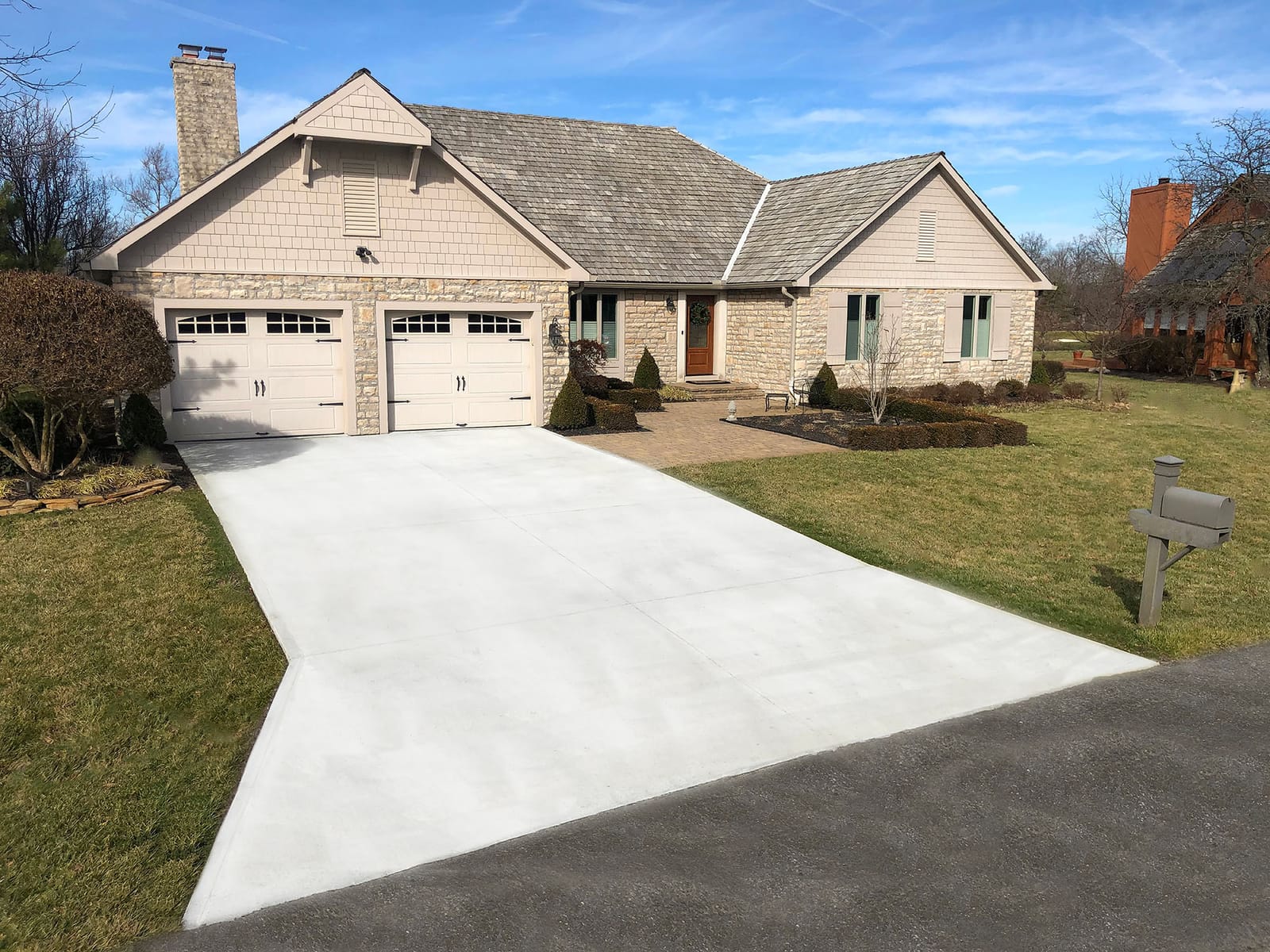
Get a long lasting concrete driveway in Conway, AR that boosts curb appeal and handles daily use. Our driveway contractors handle removal, grading, and installation from start to finish. We pour concrete driveways built to resist cracking, settling, and stains so you enjoy a smooth entrance to your home for years.
Conway Concrete Company provides professional concrete driveway throughout Conway, AR, Arkansas and the surrounding area. Our licensed, insured crew delivers safe, clean, on-time work with a free estimate before anything begins. Call (501) 358-5548 or request your free quote.
Concrete Driveways Designed for Conway Homes and Traffic
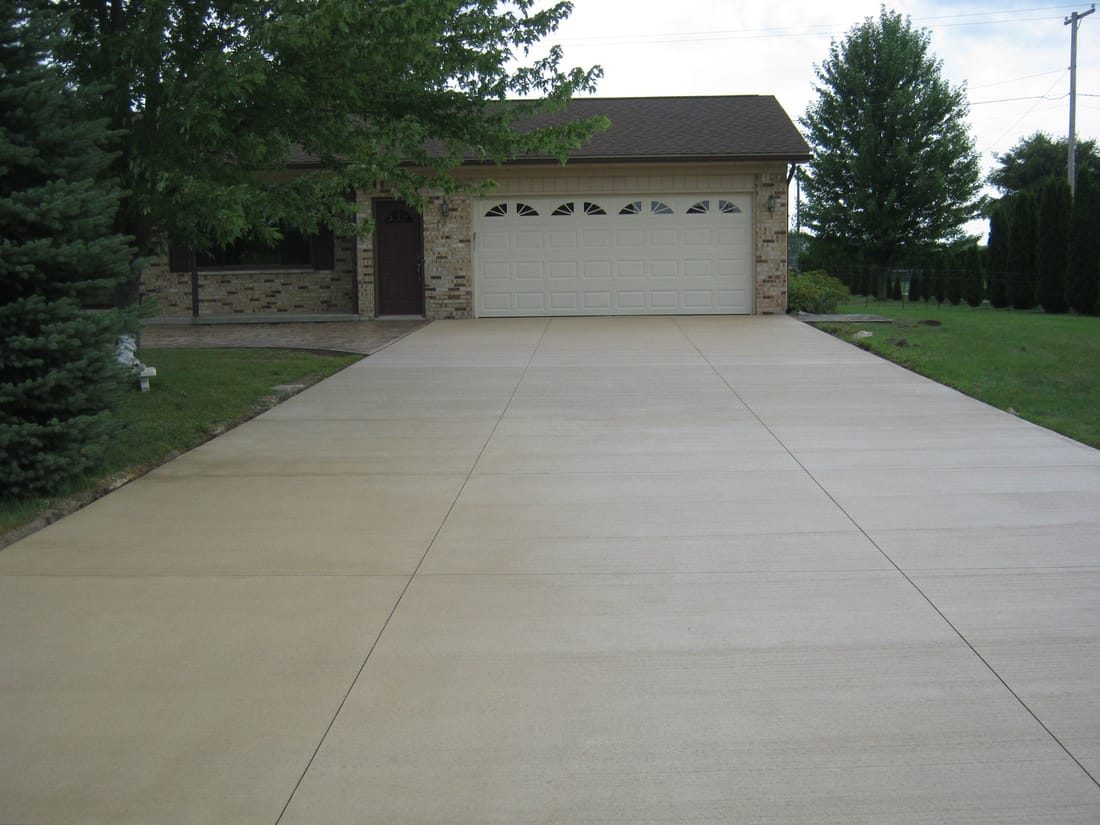
A concrete driveway is more than a place to park your car. It affects curb appeal, drainage, and even how easy it is to get in and out of your Conway home during heavy rain. At Conway Concrete Company, we focus on concrete driveway installation that fits the way people in Conway actually live, from older homes near UCA and downtown to newer subdivisions off Dave Ward and Prince Street.
Before we talk square footage or price, we look at how you use your driveway. Do you park a boat or trailer, have teen drivers squeezing in extra cars, or need a turnaround so you are not backing into busy streets like Harkrider or Salem? Details like these change the thickness, reinforcement, and layout we recommend.
Central Arkansas soil and weather are a big factor too. Our clay-heavy ground expands when wet and shrinks when dry, and Conway gets hot summers, cold snaps, and plenty of rain. All of this affects how a concrete driveway should be designed. We pay close attention to slope for drainage, base preparation, and joint placement so your driveway is less likely to crack or settle in our local conditions.
How Our Concrete Driveway Installation Process Works
When you schedule a concrete driveway installation with Conway Concrete Company, we follow a consistent step-by-step process so you know what is happening from start to finish.
1) Site visit and layout: We come to your property, measure the space, check elevations, and look at how water currently drains. On many Conway lots, the driveway slopes toward the house or a neighbor’s yard. If we see that, we adjust the design so water runs toward the street or a proper drainage path instead.
2) Removal and excavation: For a replacement driveway, we break up and haul away the old concrete or asphalt. Then we excavate to the proper depth, usually 6 to 10 inches below finished grade depending on the soil and the vehicles you plan to park. We are careful around utilities that often run under or beside driveways in Conway subdivisions.
3) Base preparation: A strong base is critical in our clay soils. We install and compact a layer of crushed stone or gravel, typically 4 to 6 inches thick. For areas with softer subgrade or where heavy trucks or RVs will park, we may increase base thickness or recommend additional stabilization. A well compacted base helps prevent dips, puddles, and premature cracking.
4) Forms and reinforcement: We set wood or metal forms to outline the driveway and match the final elevations. Then we place reinforcement, usually rebar or welded wire mesh. On driveways with turnarounds or where large vehicles will sit, we often recommend 6 sack concrete with 4,000 psi strength and thicker sections at the heaviest load points.
5) Concrete placement and finishing: We pour the concrete, spread it evenly, and use screeds and floats to establish a smooth, level surface. For most Conway driveways, we finish with a light broom texture that provides grip during rain and occasional winter ice. If you choose a decorative option, we adjust the finishing process to fit that design.
6) Joints, curing, and clean up: Control joints are cut or tooled at specific intervals to help manage cracking. We add expansion joints where the driveway meets your garage slab, sidewalks, or other large concrete areas. Then we allow the concrete to cure properly, usually recommending that you keep vehicles off the driveway for at least 7 days and avoid heavy loads for 28 days. When we are done, we remove forms, clean the area, and leave your site neat and ready to use.
Driveway Design Choices: Thickness, Texture, and Decorative Options
A concrete driveway does not have to look plain, and the design choices you make can also improve safety and long term performance. Conway Concrete Company walks you through options that make sense for our local climate and your specific property.
Thickness and strength: For typical passenger vehicles in Conway neighborhoods, we generally recommend a minimum 4 inch thick driveway with 3,500 to 4,000 psi concrete. If you plan to park work trucks, delivery vehicles, or RVs, we may suggest 5 to 6 inches and upgraded reinforcement. Spending a little more on thickness is often cheaper than repairing a broken driveway a few years later.
Texture and finish: A light broom finish is our standard because it provides good traction during rain and on the rare icy morning. If your driveway slopes steeply toward the street, we can adjust the broom pattern for extra grip. Around garage entries or walkways, we can combine broom and smooth trowel finishes for a clean look that is still functional.
Decorative options: If you want something beyond basic gray, we offer integral color, borders, and stamped patterns in select areas. For example, we can install a plain broom finish for the main parking area, then add a stamped concrete band near the street or along a sidewalk to create a more custom look without driving up cost too much. Popular patterns in Conway include cobblestone looks near older brick homes and more modern slate textures in new builds.
Layout and features: We can widen existing driveways to create side parking, add a small turnaround pad so you do not have to back into busy roads, or create a second parking bay for boats and trailers. On sloping Conway lots, we may recommend a small retaining edge or integrated drainage features so runoff stays off your lawn and out of the neighbor’s yard.
What Affects Concrete Driveway Cost in Conway, AR
Homeowners often ask why one concrete driveway costs more than another. Conway Concrete Company is upfront about how pricing works so you can make clear decisions and compare quotes fairly.
Size and layout: The total square footage is the biggest cost factor, but layout matters too. A straight, rectangular driveway in a newer Conway subdivision is faster and more efficient to build than a curved or steep driveway in an older neighborhood with limited access. Tight spaces or complex shapes can add labor and form work.
Thickness and reinforcement: Increasing thickness from 4 inches to 5 or 6 inches adds materials and labor, but it can be the right choice for heavier vehicles or weaker soils. Additional rebar, closer spacing, or higher strength concrete will also affect cost, but these upgrades help your driveway hold up over time.
Base and drainage work: Some Conway properties already have decent base material under the old driveway, while others sit on soft or poorly compacted soil. If we need deeper excavation, more gravel, or added drainage solutions like French drains or swales, that will increase the price but significantly reduce future problems like cracking and settlement.
Access and removal: Removing thick, reinforced concrete or asphalt can take more time and disposal fees than breaking up a thin, failing slab. Narrow driveways that limit truck or equipment access can increase labor costs because more work has to be done by hand or with smaller machines.
Finishes and decorative elements: Standard broom finish with basic control joints is the most economical option. Adding color, decorative borders, or stamped sections raises the price per square foot. Many Conway homeowners choose to upgrade only the visible street edge or a small accent area to stay within budget while still improving curb appeal.
Common Driveway Problems in Conway and How We Prevent Them
Our local climate and soil can be hard on concrete driveways, especially if they were installed without proper preparation. Conway Concrete Company focuses on preventing the most common issues we see around town when we replace old driveways.
Cracking from movement and temperature: All concrete will crack at some point, but smart design controls where and how. We place control joints at the right spacing for your driveway size and thickness, and we avoid long, unbroken slabs that are more likely to crack randomly. Proper curing and avoiding heavy loads during the first weeks also reduce early cracking.
Settlement and sinking: Many older Conway driveways were poured directly over clay with minimal base. Over time, the soil moves and the slab settles. We combat this by using a compacted gravel base, checking for soft spots, and adjusting thickness or reinforcement where needed. On properties with obvious drainage issues or history of washouts, we may recommend supplemental drainage work before we pour new concrete.
Drainage and standing water: Puddles shorten the life of your driveway and can be dangerous when temperatures drop. During the design phase, we use levels to make sure the driveway has enough slope, usually at least 1 to 2 percent, so water runs toward the street or a suitable outlet. When necessary, we incorporate trench drains or slight grade changes to guide water away from the garage and house.
Surface wear and staining: In Central Arkansas you see wear from tires, de-icing products, and everyday use. We often recommend sealing new concrete after it has cured to help protect against stains and moisture intrusion. We also provide homeowners with simple maintenance tips, like how to clean spills and what to avoid during the first winter.
If you are considering a new concrete driveway in Conway, AR, we are happy to walk your property, explain these issues in person, and lay out a clear plan. Conway Concrete Company aims to give you a driveway that looks good on day one and continues to serve your home and family for years in our Arkansas climate.